
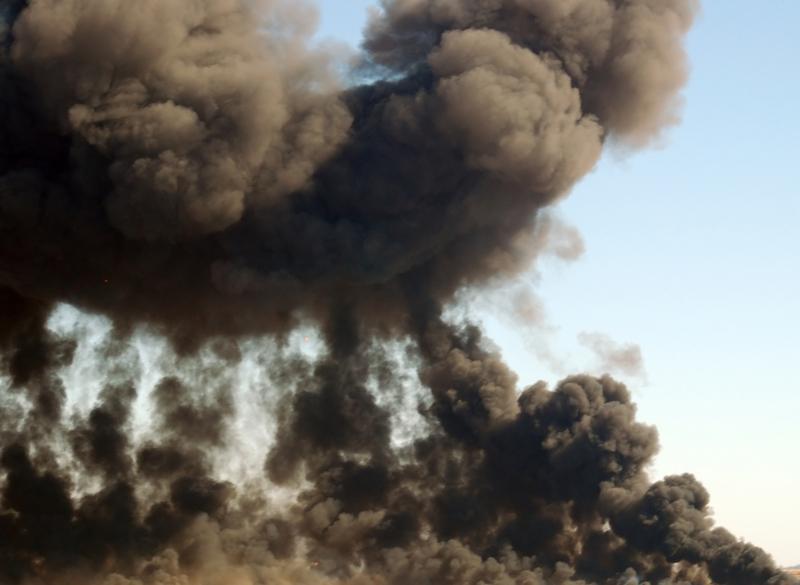
A methane explosion at a Himalayan hydropower construction site has claimed 25 lives, with rescue operations formally concluding after all equipment was withdrawn and floodlights switched off at the devastated tunnel entrance. The disaster struck the 500-megawatt Teesta Hydroelectric Project in Sikkim’s Namchi district shortly after 1 p.m. on Monday, July 20, 2026, trapping workers nearly 1.5 kilometers inside the headrace tunnel.
Workers had allegedly raised concerns about unusual underground conditions for at least three months before the blast, according to Ramesh Murmu, a 28-year-old tunnel mechanic from Jharkhand who lost colleagues in the explosion. He and other survivors claim warnings about dangerous conditions may have been communicated before the disaster.
NHPC, the government-controlled power company overseeing the project, blamed the catastrophe on a “sudden burst of suspected methane gas present inside the rocks, which led to an explosion generating dense fumes and toxic gases.” The resulting smoke made immediate rescue attempts extraordinarily difficult.
Many of the victims were migrant laborers from West Bengal, Jharkhand, Bihar, and Assam, drawn to the project by the promise of construction work in one of India’s most remote regions. The site sits roughly 40 kilometers (25 miles) south of Gangtok, the state capital, near Samardung village in terrain notorious for geological instability.
Recovery Effort Spans Four Days
Rescue teams worked through Thursday, July 23, when authorities recovered the final 13 bodies still trapped underground. Of the 25 workers caught in the explosion, 19 were employed by Patel Engineering Limited, a contractor involved in the hydroelectric project.
Dense toxic fumes forced rescuers to carry oxygen cylinders into the passage, repeatedly halting progress during the four-day search. An official in Namchi district confirmed Thursday afternoon that recovery teams extracted the final three victims, completing the operation. The Sikkim state government said following a final inspection that “tragically, all 25 individuals lost their lives, and their bodies were recovered during the course of the operation.”
Investigation Launched as Questions Mount
Preliminary findings point to a combustible gas leak as the probable trigger, though officials stressed that the exact cause awaits expert analysis. NHPC rejected media speculation that a landslide caused the tunnel to collapse. State authorities in Sikkim have formed an expert panel to probe the incident and produce findings aimed at averting similar tragedies in future.
The Teesta River basin sits atop a seismically active zone marked by young, fractured rock formations that can trap pockets of ancient gases. Experts say this geological instability and unpredictable underground conditions make tunnel construction across this Himalayan stretch exceptionally hazardous.
Latest in Series of Infrastructure Tragedies
The Sikkim blast is the most recent in a series of deadly construction accidents linked to India’s rapid infrastructure expansion in mountainous regions. A coal mine blast in adjoining Meghalaya state during February 2026 claimed approximately 30 lives. In 2023, a tunnel collapse in northern Uttarakhand state trapped 41 workers underground for 17 days before they were rescued alive.
The Teesta Hydroelectric Project represents part of India’s push to harness hydropower potential from its Himalayan river systems. The Teesta River, flowing from high-altitude glaciers through Sikkim and into West Bengal, has long been targeted as a clean energy source. Yet the same geological characteristics that make the region hydrologically valuable—young rock, steep gradients, active fault lines—also make it among the most dangerous places on earth to excavate.
Scrutiny of Safety Protocols Expected
With all 25 bodies now recovered, focus will shift to the formal investigation, compensation for victims’ families, and whether safety protocols governing tunnel construction in seismically sensitive zones provide adequate protection. The expert panel will probe both the methane ignition source and whether workers faced preventable hazards due to sufficient safeguards.
For families who gathered at the tunnel entrance in Samardung village, the operation’s conclusion brought only devastating confirmation. Twenty-five workers entered that tunnel for a construction shift. None survived.
