
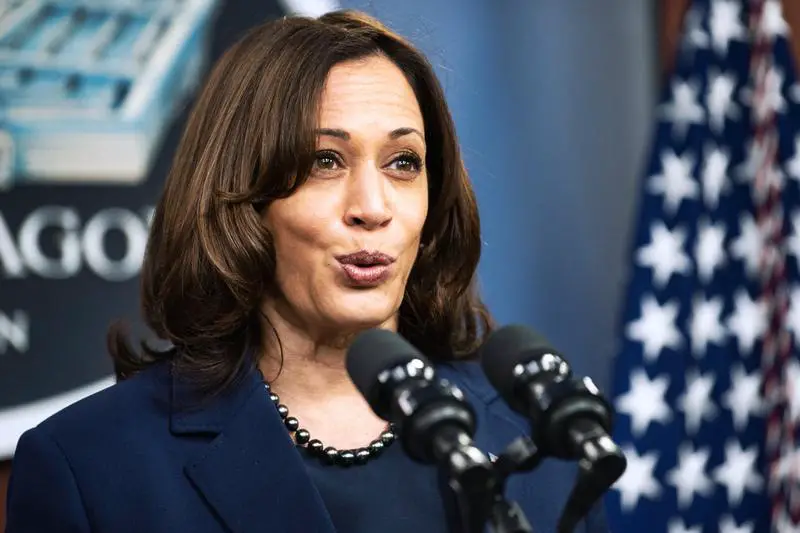
A source familiar with the conversation said former Vice President Kamala Harris reached out specifically to congratulate New York City Mayor Zohran Mamdani on his winning endorsement slate and to open a dialogue about where the party is headed, marking what is expected to be the first in a longer series of discussions between the two as Harris positions herself for a potential 2028 presidential bid.
The call reflects a broader effort by Harris to repair relationships with the Democratic Party’s progressive wing — factions that largely withheld enthusiasm during her 2024 presidential run.
Harris held an extended private phone call last week with Mamdani, a Democratic socialist who has emerged as one of the most high-profile leaders of the Democratic Socialists of America in the country. The call occurred just days after Democratic socialist candidates endorsed by Mamdani won three New York congressional primaries, ousting two sitting lawmakers and strengthening the mayor’s influence nationally.
Mamdani’s Rising National Influence
Mamdani’s recent congressional primary victories demonstrated that the DSA’s organizing infrastructure can produce results well beyond its traditional stronghold in New York City — a reality that has drawn attention from Democrats eyeing future campaigns.
Mamdani confirmed the outreach publicly on SiriusXM’s “The Clay Cane Show” on Wednesday. The mayor said Harris initiated contact and that the two have remained in communication over recent months. “We’ve been in touch over the last few months, and I really do appreciate her outreach,” he said.
Strategist Matt Klink said Harris recognizes Mamdani’s position as America’s leading DSA figure and understands that his recent primary successes show the organization can win races beyond its New York City base.
A Strategic Pivot Toward the Progressive Wing
Harris has also been holding closed-door meetings with left-wing organizers and engaging in discussions with James Zogby, a longtime pro-Palestinian advocate, and Abbas Alawieh, co-founder of the pro-Palestinian Uncommitted Movement. Harris herself requested a meeting with Alawieh following months of private conversations. Alawieh said he pushed Harris to oppose using American taxpayer money for harming civilians or destroying communities. Those activists had been sharply critical of the Biden administration’s support of Israel, and their organizing in states like Michigan demonstrated an ability to affect Democratic turnout.
Republican consultant Mike Madrid said Harris is carefully analyzing the 2028 political terrain, looking ahead to where progressive support will solidify, particularly around Palestinian issues.
Klink said Harris learned from 2024 that energized progressive activists can make or break a Democratic nominee, and she prefers having them campaign for her rather than against her in 2028.
Harris’ relationship with Mamdani had a notably cautious beginning. During New York City’s mayoral race, she withheld an endorsement through the entire Democratic primary. Only after Mamdani secured the nomination did she offer measured support during an MSNBC interview, saying simply, “I support the Democrat in the race, sure.”
Rebranding for 2028
The outreach to Mamdani and progressive organizers is part of what sources describe as a deliberate effort by Harris to rebrand herself as more appealing to younger Democrats — a demographic that proved difficult to fully mobilize during her 2024 campaign. The phone call with Mamdani is expected to be just the beginning of an ongoing series of conversations between the two.
Madrid said the approach involves genuine risk but reflects changing political realities where taking action appears preferable to inaction.
Klink argued that Harris read the results of the 2024 cycle faster than most potential competitors.
