
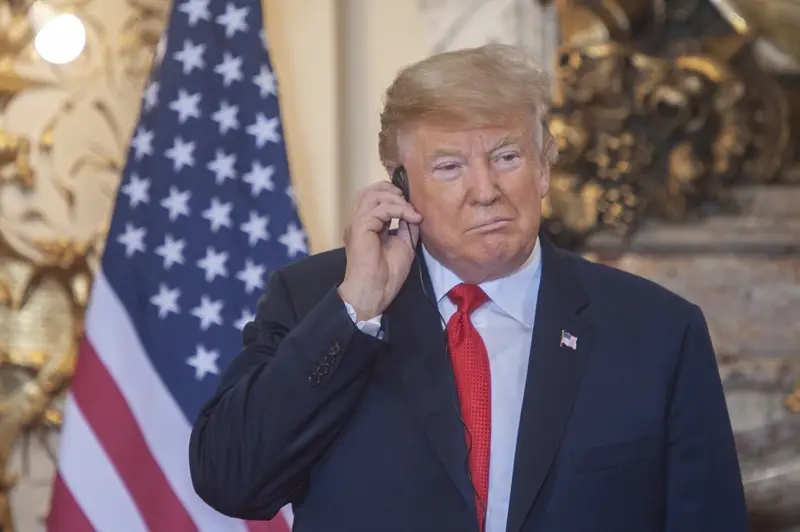
During an Aug. 1, 2026, Cabinet gathering at Camp David, Defense Secretary Pete Hegseth faced a furious confrontation from President Donald Trump over weapons stockpile depletion in the Iran conflict, two sources with knowledge of the incident reported.
The 80-year-old president expressed outrage that critical information about ammunition shortfalls had not reached him, believing the issue “had been fixed,” the sources said. Both the White House and Pentagon swiftly disputed that characterization. Hegseth, 46, who has informally adopted the title “secretary of war” in his Pentagon role, pointed to his deputy Stephen Feinberg, 66, as responsible for the communications breakdown, according to those same sources. Feinberg previously served as head of Trump’s Intelligence Advisory Board during the president’s first term.
Stockpiles Severely Diminished Since February
The dispute centers on interceptor missiles and long-range guided munitions. According to a Center for Strategic and International Studies (CSIS) assessment released July 27, U.S. arsenals have declined drastically since combat operations commenced in late February. Patriot interceptor inventories dropped from an initial 2,330 to somewhere between 759 and 827, while Terminal High Altitude Area Defense (THAAD) interceptor stocks fell from 452 to between 234 and 278. Another analysis concluded that roughly 80 percent of defensive interceptor missiles had been expended during the conflict.
Army Tactical Missile Systems and Precision Strike Missiles, each carrying approximately $1 million price tags, represent particularly strained categories. Defense analysts have voiced concern that these shortfalls could hamper American capacity to address simultaneous crises in other regions.
Presidential Anger Extends Beyond Hegseth
Trump’s fury that Friday evening extended to Feinberg himself, whom the president called directly to demand explanations and solutions for the munitions crisis. During that phone call, Trump reportedly issued termination threats against Feinberg. The deputy subsequently assembled senior Pentagon leadership for an urgent session later that night.
Combat operations have now stretched into a sixth month, claiming 18 American military lives and wounding hundreds more. At a July 21 Senate Appropriations Committee hearing, Hegseth testified that approximately $37.5 billion had been spent on Iran operations, while requesting an additional $67 billion from lawmakers partly to rebuild weapons inventories. He placed responsibility for the shortages on inadequate Defense Department funding under the Biden administration.
Public and Political Pressure Mounts
American sentiment has turned sharply against the campaign. Marquette Law School polling showed 75 percent of respondents now view the war as “not worth the cost.” Pressure intensified Sunday when Trump announced via Truth Social that he had halted what he termed the largest U.S. military operation since World War II, saying he canceled the strike following requests from Iran and regional nations after deal framework agreements. Iranian authorities stated Monday that no such negotiations had been scheduled.
Before the Camp David incident became public, Hegseth had already attacked media coverage. The former “Fox & Friends” Weekend host used social media Tuesday to denounce a CNN broadcast banner regarding interceptor depletion, branding the information false and accusing the network of spreading disinformation.
Administration Launches Denial Offensive
White House Press Secretary Karoline Leavitt dismissed the reporting as “100% fake news” that “literally never happened,” asserting the president maintains “the utmost confidence in Secretary Hegseth.” Chief Pentagon Spokesman Sean Parnell issued even stronger denials, characterizing anonymous sourcing as deliberately misleading and calling every aspect of the account—from stockpile claims to internal finger-pointing to resignation speculation—”equally fictional.”
On Thursday, Trump issued public backing for Hegseth via Truth Social, labeling coverage false and unfounded while highlighting the defense secretary’s elimination of diversity initiatives and claims of record military recruitment. Trump cited January’s capture of former Venezuelan leader Nicolás Maduro as proof of national security team competence. His post insisted the armed forces held “massive amounts” of munitions, with substantial production and delivery underway.
Trump separately warned that individuals providing information to journalists were being “hunted down” and would face demands for extended prison terms. He labeled such activity treasonous, language that immediately attracted civil liberties scrutiny. Whether genuine reconciliation has occurred between the president and his defense chief—or simply public messaging coordination—remains uncertain as the Iran campaign continues straining military capacity and domestic support.
