
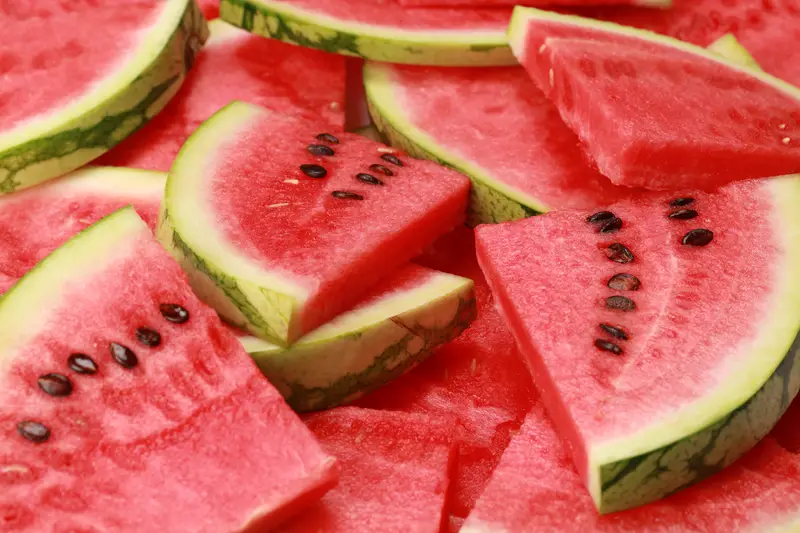
Authorities probing the death of a Mumbai family of four in late April are now re-examining all possible explanations—murder, murder-suicide, mass suicide, and accidental death—after fresh forensic tests revealed no trace of the rat poison ingredient in most items collected from their apartment, even as earlier results confirmed the deadly chemical in watermelon and human remains.
The case gripped India’s commercial capital for weeks following the April 25 discovery of Abdullah Dokadia, 40; his wife Nasreen, 35; and daughters Ayesha, 16, and Zainab, 12, all dead in their Pydhonie neighborhood home in south Mumbai. Initial forensic analysis detected zinc phosphide—a compound sold commercially as rodent poison—in viscera samples from all four victims and in watermelon remnants recovered from the residence.
But subsequent testing found no zinc phosphide in a knife, three large cooking spoons, four plates, uncooked rice, chicken pulao, or a bottle of herbal rat repellent spray seized from the Dokadia residence, complicating investigators’ efforts to reconstruct how the poison entered the family’s system. Police are still awaiting Zainab’s post-mortem report and cyber analysis of mobile devices belonging to family members, while a financial motive is also under scrutiny.
Rapid Onset After Midnight Meal
Relatives had gathered at the apartment for a biryani dinner on the evening of April 25, departing around 10:30 p.m. Between 1:00 a.m. and 1:30 a.m., the four consumed watermelon. Severe vomiting and diarrhea followed swiftly.
Dr. Zaid Qureshi, a neighbor residing on the fourth floor of the building, rushed downstairs to assist. He discovered Zainab in respiratory distress and attempted resuscitation.
“I noticed that the youngest of the four individuals was experiencing difficulty breathing. I administered CPR. However, as her condition did not improve, she was taken to a nearby hospital. She passed away,” Qureshi told BBC Marathi.
The other three were transported to JJ Hospital in Mumbai for emergency intervention. Zainab died at 10:15 a.m. on April 26. Nasreen and Ayesha succumbed shortly thereafter, and Abdullah died at 10:30 p.m. the same day. Medical staff performed gastric lavage and administered aggressive treatment, but the toxin proved lethal.
Weeks of Forensic Investigation
For 11 days after the deaths, the cause remained uncertain. Mumbai’s Forensic Science Laboratory (FSL) ran 54 separate tests on materials seized from the home—including watermelon rinds that had been partially eaten, spices, utensils, and various food products. The State Food and Drug Administration examined items for contamination.
On May 7, the FSL delivered its report to Mumbai Police. Zinc phosphide had been identified in the liver, kidney, spleen, stomach contents, bile, and abdominal fat of all four victims, as well as in the watermelon samples. No other food tested positive for the chemical.
Deputy Commissioner of Police Pravin Mundhe confirmed an accidental death case had been registered, while the JJ Marg police station continued collecting statements from relatives and neighbors. Post-mortem examinations confirmed zinc phosphide as the lethal agent.
By May 19, police dispatched additional salt samples from the home for new FSL testing, investigating whether the poison had been mixed with salt and sprinkled onto the sliced fruit. Authorities have now taken statements from more than 100 people.
The Science Behind the Poison
Medical specialists describe zinc phosphide as an inorganic compound blending phosphorus and zinc, commonly marketed as rat poison and widely accessible throughout India. Upon ingestion, it reacts with gastric acid to generate phosphine gas—a highly toxic substance that penetrates cells and disrupts their energy production.
Symptoms emerge within 30 minutes to an hour: vomiting, dizziness, respiratory failure, and seizures. Severe poisoning damages the liver and kidneys, and can trigger delirium and coma. Forensic experts cited in reporting on the incident say effective treatment exists only within roughly one hour of exposure. Beyond that window, even intensive care rarely saves the patient.
Dr. Hemalata Arora, an internal medicine specialist, emphasized that gastric lavage works only in that brief timeframe. Dr. Rukmani Krishnamurthy, a former FSL director, observed that zinc phosphide typically comes in powder form, suggesting it may have been applied directly to the cut watermelon. Forensic official Dr. Bhushan Rokade and Dr. Sanjay Surase have also contributed analysis, with experts proposing that Zainab, the youngest, likely died first due to her smaller body mass and lower tolerance.
Market Fallout and Media Scrutiny
The tragedy triggered a steep drop in watermelon prices across Navi Mumbai, with rates falling to Rs 5 to 7 per kilogram as consumers shunned the fruit, inflicting severe financial losses on traders. Multiple media outlets faced criticism for premature and irresponsible coverage of the case.
Investigators acknowledge the building had a rodent infestation, yet found no evidence that rat poison was stored in the Dokadia apartment. Two fruit sellers were arrested in connection with applying rat poison to produce, though no direct link to this family’s deaths has been officially confirmed.
With forensic testing now showing conflicting results—poison present in the fruit and viscera, absent from nearly all kitchen items—and authorities probing angles from homicide to accident, the deaths dubbed the “watermelon deaths” by Indian media remain unresolved nearly four weeks later. Until the final test results and cyber analysis arrive, the sequence of events that claimed four lives in a single night remains one of Mumbai’s most perplexing forensic mysteries.
