
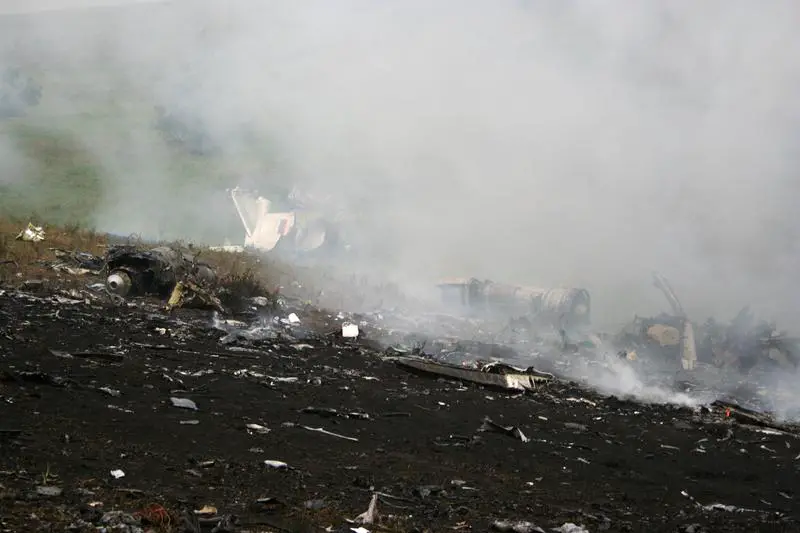
A Cessna 208B Grand Caravan carrying tourists on an aerial tour over southern Peru’s ancient geoglyphs plummeted to the ground Aug. 1, 2026, killing all 13 aboard and prompting authorities to immediately ground the airline that operated the flight.
The fatal crash occurred around 1:20 p.m. local time near Pueblo Viejo, approximately four miles (6 km) from the city of Nazca and roughly 12 km from the archaeological treasures the passengers had flown to view. The aircraft had taken off from Pisco Airport at roughly 1 p.m., but contact with the control tower was lost about 20 minutes into the journey. All 11 tourists — seven Italians, two Spanish visitors and two German passengers — and both Peruvian crew members died in the disaster.
Peru’s Ministry of Transportation and Communications issued an immediate suspension order against Aerodiana, the operator responsible for the flight, on Sunday. The directive requires the company to cease operations “until investigations are completed to verify the company’s compliance with the applicable aviation regulations, procedures and operating requirements.”
Distress Call Preceded Desert Crash
Before losing radio contact, the pilots transmitted an emergency message reporting mechanical trouble to the Nazca airfield control tower. Peruvian Foreign Trade and Tourism Minister Rogers Valencia confirmed that the crew had alerted authorities to equipment problems aboard the aircraft. That communication was the final message received from the doomed flight.
Whether the reported malfunction directly triggered the fatal plunge remains unclear. Peru’s Aviation Accident Investigation Commission is analyzing the emergency transmission, the route the aircraft followed and debris from the scene. Speaking at the crash location, Valencia indicated that examining the wreckage would yield a thorough picture of what occurred and that results would arrive quickly.
Police Major Jorge Andrade, briefing journalists on site, verified the count of 13 fatalities and described the harsh circumstances confronting emergency personnel. Flames consumed the wreckage swiftly after impact, forcing firefighters and police to navigate charred debris scattered across the arid landscape. The rapid spread of fire made any rescue attempts impossible.
Italian, Spanish and German Nationals Among Dead
The Italian passengers ranged in age from 18 to 54 and numbered seven in total. Spain lost two citizens, both 52 years old, while Germany mourned two travelers aged 77 and 78. Pilot Americo Salazar Cuellar and copilot Irenka Guanilo del Carpio, both Peruvian, also perished.
Italian Prime Minister Giorgia Meloni conveyed sorrow over the loss of Italian lives, posting on social media her profound sympathy for the bereaved families “at this time of immense grief.” Italy’s Foreign Ministry reported that its embassy in Lima had begun working with Peruvian officials and that relatives of the Italian dead had received notification. Both the Italian and German consuls traveled to the crash scene, Valencia noted.
Peruvian President Keiko Fujimori voiced regret following the tragedy and said officials were weighing a temporary closure of the airport while relevant ministries conducted evaluations.
Ancient Desert Art Visible Only From Above
Dating to between AD 200 and 700, the Nazca Lines constitute a vast UNESCO World Heritage Site composed of geoglyphs carved into the southern Peruvian desert. The massive figures portray creatures such as monkeys, hummingbirds, cats and whales alongside geometric shapes extending several kilometers across the landscape. Ground-level observers cannot perceive the full designs, which require aerial vantage points for proper viewing. UNESCO has characterized the location as one of archaeology’s most profound mysteries due to the sheer number, character, scale and continuity of the markings.
This necessity for airborne observation has fueled a thriving but hazardous tourism sector built around small-aircraft excursions. The crash joins a grim list of previous incidents. In 2022, seven people including two Chilean and three Dutch citizens died when another small plane went down. An AirNasca aircraft carrying British holidaymakers and Peruvian flight crew crashed in October 2010 following a tour, leaving no one alive. Earlier that same year, seven people — three Chileans and four Peruvians — were killed when a Cessna 206 crashed in the area. In April 2008, five French tourists died in another overflight accident, though the pilot survived.
18-Year Operator Faces Investigation
Aerodiana, which has conducted sightseeing operations over the Nazca Lines for 18 years, released a statement saying the crash had profoundly impacted the company and pledging full cooperation with investigators. The carrier emphasized its steadfast dedication to passenger and crew safety throughout its operational history.
Peru welcomed more than 4.1 million foreign visitors in 2025, drawn to landmarks including Machu Picchu’s Incan ruins and the Nazca Lines. The nation’s population stands at just under 35 million. The string of fatal crashes near the geoglyphs has raised persistent questions about safety protocols governing small aviation companies serving the attraction, and the deadly outcome is expected to amplify pressure for stricter regulation as investigators pursue the cause.
