
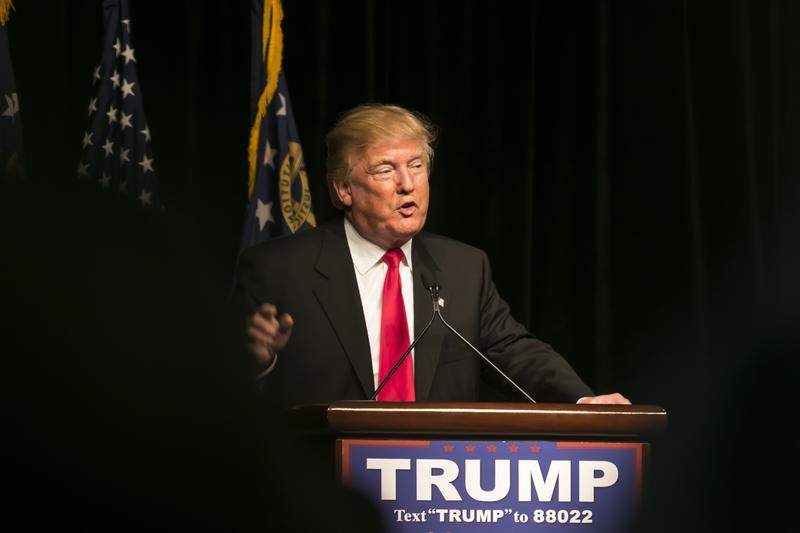
Donald Trump, the Republican presidential nominee for 2024, has eliminated the possibility of launching a 2028 White House campaign if he experiences defeat this November. During an interview broadcast on Sunday, September 22, 2024, Trump indicated that this would represent his last endeavor to secure the presidency.
Upon being questioned whether he might pursue another campaign in 2028 following a potential loss in the forthcoming election, Trump answered decisively, “No, I don’t… I think that will be it. I don’t see that at all.” This statement represents a departure from his characteristic combative posture, which seldom entertains the prospect of defeat.
Trump, currently 78 years old, would reach 82 by the time of the 2028 election, prompting unavoidable parallels to President Joe Biden, who encountered comparable examination concerning his age prior to withdrawing from the 2024 contest. Biden withdrew following pressure from his party regarding his mental sharpness, and this concern has subsequently emerged in conversations about Trump’s capability for serving another term.
This marks not the initial occasion Trump has referenced departing from the political arena. Throughout the 2020 campaign, he famously claimed that if he lost to Biden, “you’ll never see me again.” Nevertheless, following his loss, he continued to dominate national politics, initiating numerous legal contests to the 2020 election outcome and securing the Republican nomination yet again in 2024.
The former president’s announcement might carry substantial implications for the Republican Party, which his guidance has profoundly shaped since 2016. In recent media appearances, Trump indicated that should he secure the 2024 election, he ought to be permitted to serve past the constitutional two-term restriction. He referenced purported wrongdoing during his 2016 campaign, particularly the assertions that his campaign faced illegal surveillance, as rationale for an extra term.
Trump’s decision not to pursue office again following a possible 2024 defeat might represent a pivotal moment for the Republican Party as it grapples with its upcoming leadership. Throughout the previous eight years, Trump has transformed the party’s foundation, rendering his potential absence from future contests a critical juncture for its trajectory. Should he fail to prevail this November, the GOP must now contemplate how to advance through a post-Trump period.
Notwithstanding his firm pronouncement, Trump has been hesitant to accept the possibility of losing elections in the past. Following his loss in the 2020 contest, Trump declined to acknowledge defeat and spearheaded a contentious campaign to reverse the results, reaching its peak in the January 6 Capitol riot. Worries already exist that Trump and his supporters are establishing the foundation to contest the 2024 election results if they prove unfavorable.
Current polling data reveals Trump engaged in a tight contest against Vice President Kamala Harris, who assumed the Democratic nomination following Biden’s exit. Based on recent polls, Harris maintains a lead over Trump at the national level by slim margins.
With the election drawing near, Trump concentrates on his 2024 effort but already encounters inquiries regarding his intentions after November. He expressed his desire for a favorable result in the imminent election.
