
Ten people were killed and nine were injured after gunmen opened fire at a tavern in Bekkersdal township, South Africa, during the early hours of Sunday, December 21, 2025. The township is located 46 kilometers west of Johannesburg.
The shooting occurred just before 1 am at KwaNoxolo Tavern in the Tambo section of Bekkersdal. About 12 suspects arrived at the scene in a white minibus and silver sedan before the gunmen opened fire at tavern patrons.
The suspects continued shooting randomly while fleeing the scene. Some victims were shot arbitrarily in the streets during the attack.
Major General Fred Kekana, acting provincial commissioner of Gauteng, confirmed that some gunmen wore balaclavas during the assault. The attackers were armed with one AK-47 rifle and several 9mm pistols. An e-hailing driver was killed in the crossfire. The driver had just dropped off a client when the shooting began.
“The tavern is licensed,” police spokesperson Brigadier Brenda Muridili said. However, the tavern owner was arrested on December 24, 2025, for operating with a fraudulent liquor license. According to Major General Kekana, the tavern owner had insisted her operating documents were valid, but a formal investigation by the Gauteng Liquor Board disputes this.
The attackers searched victims after shooting them and took their valuables, including phones. Three people were killed inside the bar, while others were shot while trying to flee the scene. The wounded victims were transported to the hospital for treatment. Their conditions have not been publicly disclosed as authorities continue to investigate the circumstances surrounding the attack.
On December 24, 2025, authorities announced a major breakthrough in the investigation when they arrested 11 suspects in connection with the mass shooting. The group included 10 undocumented foreign nationals—nine from Lesotho and one from Mozambique—along with one South African mine worker who was arrested for harboring the illegal immigrants. Police recovered multiple firearms from the suspects, including an AK-47 rifle and several pistols, which matched the types of weapons used during the Sunday morning attack. Kekana confirmed that ballistics tests were underway to definitively link the recovered weapons to the murders.
The incident marks the second major mass shooting at a bar in Gauteng province in recent weeks. Earlier this month, a mass shooting at an unlicensed bar near Pretoria killed at least 12 people.
The Bekkersdal region is notorious for illicit mining operations. The area has become known for gang violence and illegal firearms proliferation, contributing to ongoing security challenges in the township. Bekkersdal, surrounded by abandoned mine shafts, faces unique security challenges related to illegal mining activities. These operations have created criminal networks that contribute to the availability of weapons and the occurrence of violent crimes in the region.
The Democratic Alliance called for a special task force to probe the recent shootings in the province following this latest incident.
South Africa recorded almost 26,000 homicides in 2024, averaging more than 70 homicides per day. The nation of 62 million has one of the highest homicide rates in the world. Firearms are the leading cause of death in homicides across the country. Many killings are carried out using illegal firearms despite the nation having comparatively stringent gun control laws.
The violence at taverns has become a recurring pattern in South Africa in recent years. These establishments, typically unlicensed and sometimes called shebeens, have been targeted in multiple mass shooting incidents that have shocked communities and raised concerns about public safety.
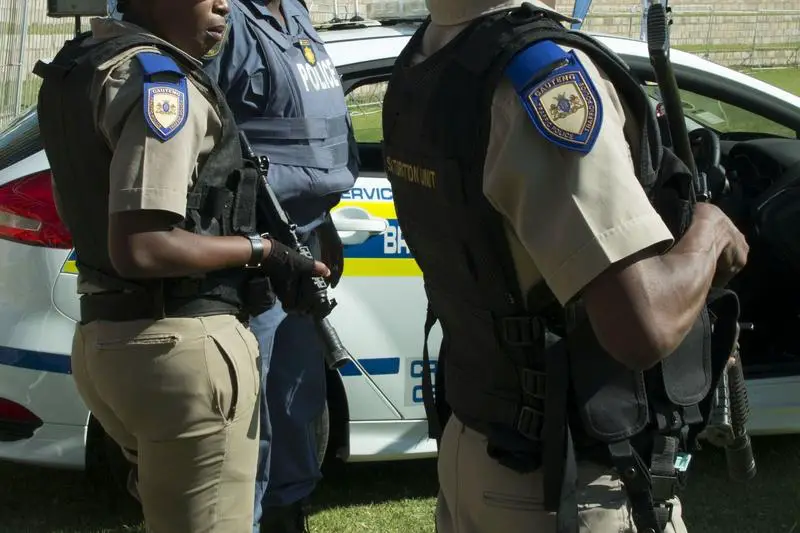
Kekana described the extensive police response to the scene. “We are still busy obtaining statements. Our national crime and management team has arrived,” he said.
The shooting has renewed discussions about security measures at entertainment venues and the proliferation of illegal weapons in townships across Gauteng province. Community leaders and residents have expressed concern about the frequency of violent incidents in areas already struggling with economic challenges and limited law enforcement resources.
The attack occurred during a time when many South Africans were gathering at social venues during the holiday season. Taverns serve as important community spaces in townships, making them frequent targets for criminal activity.
On January 5, 2026, five Lesotho nationals appeared in Westonaria Magistrate’s Court facing charges related to possession of unlicensed firearms, live ammunition, and immigration violations. The proceedings were postponed to January 22, 2026, as key witnesses needed for an identity parade remained out of the province. Police spokesperson Lieutenant Colonel Mavela Masondo confirmed that while ballistics testing was underway on the seized weapons, no murder charges had yet been filed against the five suspects in custody. Authorities emphasized that definitively linking the suspects to the tavern massacre depends on forensic analysis results and witness identification.
The situation grew more complicated after five of the original 11 suspects arrested on December 24 were released. Prosecutors failed to register their case within the required 48-hour period while waiting for the Department of Home Affairs to verify their immigration status. Police have since confirmed that the suspects’ documents were fake and have launched a search for the five undocumented foreign nationals who are now on the run. Meanwhile, the South African man accused of sheltering undocumented immigrants was also freed when the court ruled there was not enough evidence to move forward with the case. In a separate matter, tavern owner Nanesi Matwa was granted R1,500 bail for allegedly operating with a fraudulent liquor license.
As of late February 2026, authorities have not announced whether the five suspects in custody have been formally charged with murder in connection with the tavern massacre, with prosecutors emphasizing that linking the suspects to the killings depends on forensic evidence and witness identification still pending.
