
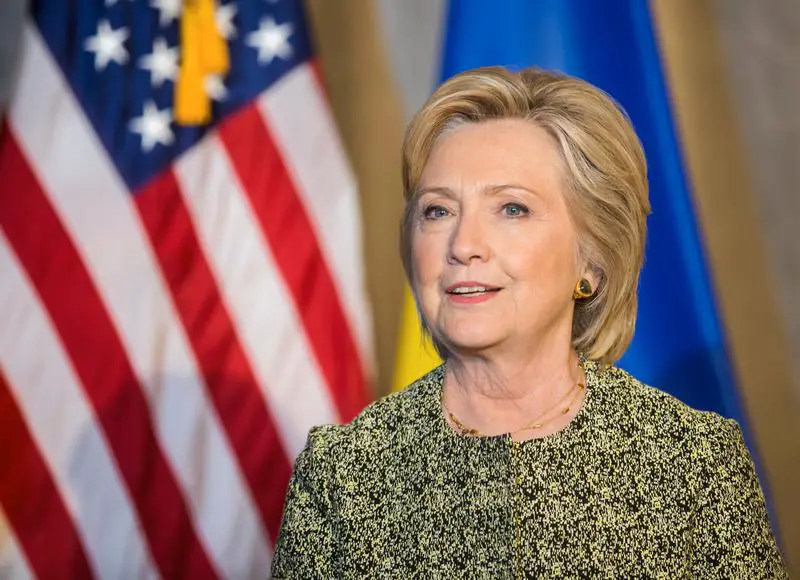
On June 12, 2026, former Secretary of State Hillary Clinton delivered remarks at Chicago’s Rainbow PUSH Coalition that quickly became her latest lightning rod moment, alienating the same voters Democrats desperately need ahead of the midterm elections. Speaking about voter identification laws, Clinton asserted that Republicans were demanding “forms of identification that most real people don’t have, and most older people, and most rural people don’t have,” before pivoting to accusations about GOP redistricting efforts aimed at suppressing minority representation.
The specific demographics Clinton cited — rural and older Americans — represent groups the Democratic Party has publicly acknowledged losing ground with in recent election cycles. Her characterization of these voters as lacking basic identification struck many observers not as a voting rights argument but as emblematic of the elite condescension that has pushed such voters away from Democrats. Whether Clinton meant to insult them or was clumsily describing barriers to voting access, the political damage was immediate.
Conservative reaction came swiftly. The RNC Research account seized on the comments, posting to social media: “Does Clinton think Americans are dumb and racist?” By June 13, 2026, Fox News devoted a segment drawing parallels to Clinton’s notorious 2016 “basket of deplorables” comment — a remark widely viewed as having alienated the rural electorate she was now, critics charged, once again talking down to.
George Washington University law professor Jonathan Turley delivered one of the sharpest rebukes. “Having Hillary Clinton talk about the lives of ‘real people’ is about as authentic as a Chuck Schumer lesson on backyard grilling,” Turley wrote, adding: “Despite 83% of Americans favoring voter ID, Hillary declared, ‘most real people don’t have, and most older people, and most rural people don’t have’ such IDs.” Turley contended the remarks exposed Clinton’s core conviction that rural Americans cannot handle basic civic responsibilities without elite political guidance.
The controversy was compounded by polling data showing Clinton’s position contradicted overwhelming public sentiment. CNN data analyst Harry Enten had previously documented that support for voter ID had remained “north of 75 percent” for years, climbing to 83 percent in 2025. That support spans racial and partisan lines, including 71 percent of Democrats — placing Clinton at odds not merely with Republicans but with a significant share of her own party’s base.
The June incident marks Clinton’s third self-inflicted controversy in recent months. On May 29, 2026, she posted on X mocking President Donald Trump’s White House renovations, describing parts of the building as “rubble.” Users immediately flooded her replies with reminders of allegations that the Clintons vandalized and removed property from the White House when their administration left in January 2001. The post generated days of unflattering press coverage and resurrected an embarrassing chapter of the Clinton legacy.
Earlier, on April 13, 2026, Clinton appeared on Morning Joe to criticize Trump’s approach to Iran, calling his diplomacy “a joke” and later posting on X that “Trump has become fully unhinged.” That commentary provoked substantial conservative backlash, with opponents highlighting the Iran nuclear deal her State Department helped negotiate in 2015 — an agreement Trump withdrew from in 2018 and has worked to renegotiate throughout his second term.
The three episodes create a recurring pattern Clinton’s detractors say has become predictable: a provocative public statement, a wave of outrage, and a news cycle that energizes her adversaries more than her supporters. For Democrats still regrouping after the 2024 election, each Clinton-generated controversy carries extra weight — a persistent reminder of the political liabilities attached to the party’s most prominent figure for decades.
By June 14, 2026, the voter ID story had achieved self-sustaining momentum — and Hillary Clinton had once again become the narrative instead of shaping it.
